Search
Weather

84°F, Windchill: 84°F
Wind: 9 mph E
Humidity: 66%
Visibility: 0 mi
Preasure: 29.83 in rising
Sunrise: 5:18 am
Sunset: 6:02 pm

Hi: 97°F, Low: 76°F

Hi: 96°F, Low: 75°F
Rio San Juan
Culture
Literature
Literature
San Carlos
Centro Cultural José Coronel Urtecho
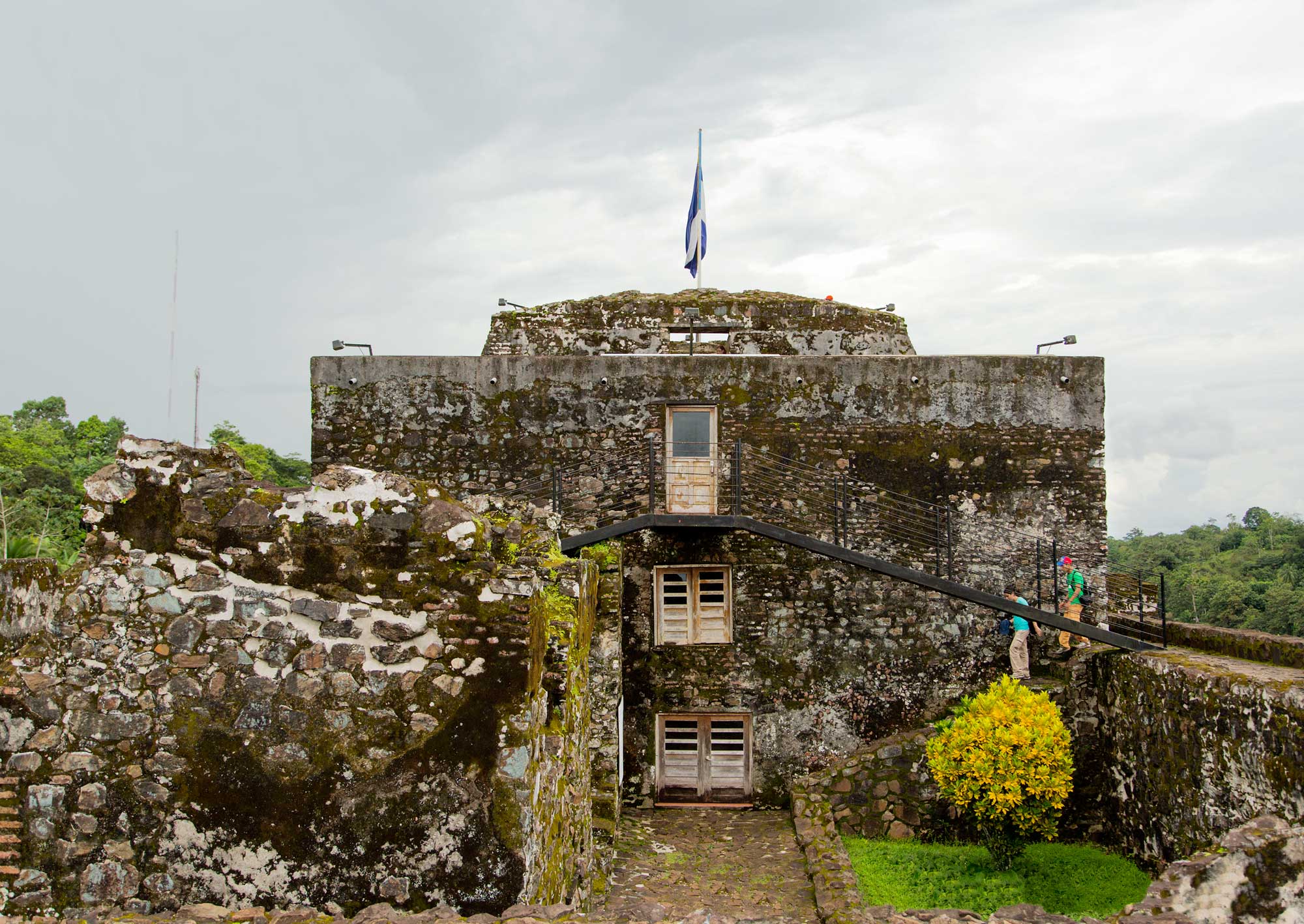
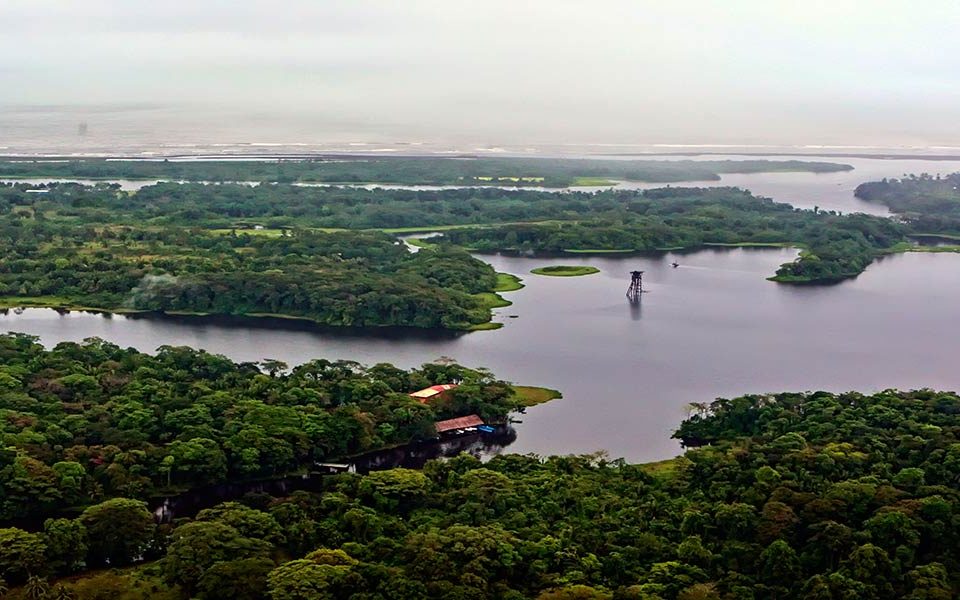
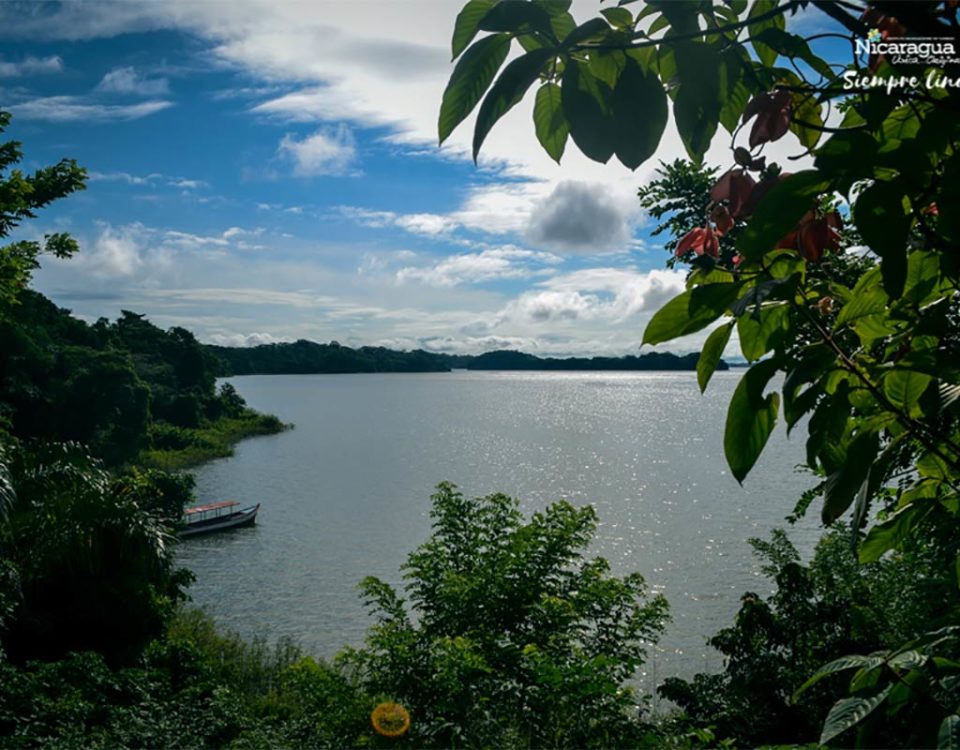
If you want to know the local history, flora and fauna this is the place to visit. Dedicated to the memory of a famous Nicaraguan poet, this place is full of history. Located in one of the central park side of the site was initially a military base used by the Spanish to defend their paths and trade, at the time of the Somoza dictatorship was a prison and at the time of the Sandinista revolution became police station. Now fully restored in this cultural center has become one of the main attractions of the city, there operates the most extensive library, and it has three viewpoints of the river and the lake, an event hall where concerts and cultural presentations can be done.
The festivities of the municipality of San Carlos, held in March each year, the population has no cultural activities or traditions remarkable as other peoples across the religious sector is the feast day October 4 SAN CARLOS of Borromeo.
The town has a Catholic church, which he has rebuilt some of its walls and recently completed the construction of the tower, which began in 1957 and 1960, the beautiful bell dates from 1878 and is heard throughout the land.
Nicaraguan writers had as many experiences and cultural inspirations Rio San Juan between them by Sergio Ramírez:
- José Coronel Urtecho, poet, novelist, essayist, historian, and witty conversationalist and tireless, he was a writer of absolute dedication and vocation, and permanent teachers for successive generations of Nicaraguan writers, always preferred his retirement from the San Juan River, the real habitat on the border between Nicaragua and Costa Rica, where he died and is buried beside his wife, Mary Kautz, who is in many ways a character in our literature.
- Ernesto Cardenanl: In the mid-sixties he founded his famous peasant community in the archipelago of Solentiname in the Great Lake of Nicaragua. In 1977, the youth of the community joined the FSLN guerrillas who attacked the barracks of San Carlos, at the mouth of the Great Lake in the San Juan River, and when Cardinal was committed to the revolutionary cause. The community was ravaged by the National Guard, and he went to live in exile in Costa Rica until the triumph of the revolution, when he was appointed Minister of Culture.
- Fernando Silva, takes in the fifties the rural peasant, and manages to project it with an imaginative recreation of Nicaraguan popular speech. The themes of his best stories is centered on his experiences as a child in the little port of The Castle by the river San Juan, where his father was commander. The character count is always the child, in language reminiscent of Nicaragua fully the world of his childhood. He has published Tales of land and water (1965); Four other stories (1969), now is five stories (1972), Port and Tales (1987), and The Horse and Other Stories (1996). A personal anthology, Stories, was published in 1985 by the ENN. It is also the author of the novels The Commander (1969) and The Neighborhood (1976).
- Enrique Fernández Morales wrote three historical plays: The Miracle of Granada (1956), on the appearance of the image of Our Lady of Conception in the waters of Grand Lake, The River Girl (1960), on heroin Rafaela Herrera who defended the castle of the Conception in the San Juan River, the siege of the English, and The Punisher de la Concha, the war against the filibusters in the mid-nineteenth century. He also wrote the monologue Judas (1970).